 ← Index
01 · Artistic research, platform · 2026
Synthetic Memories
Residency
MEE, Erfgoed Gelderland
Collections
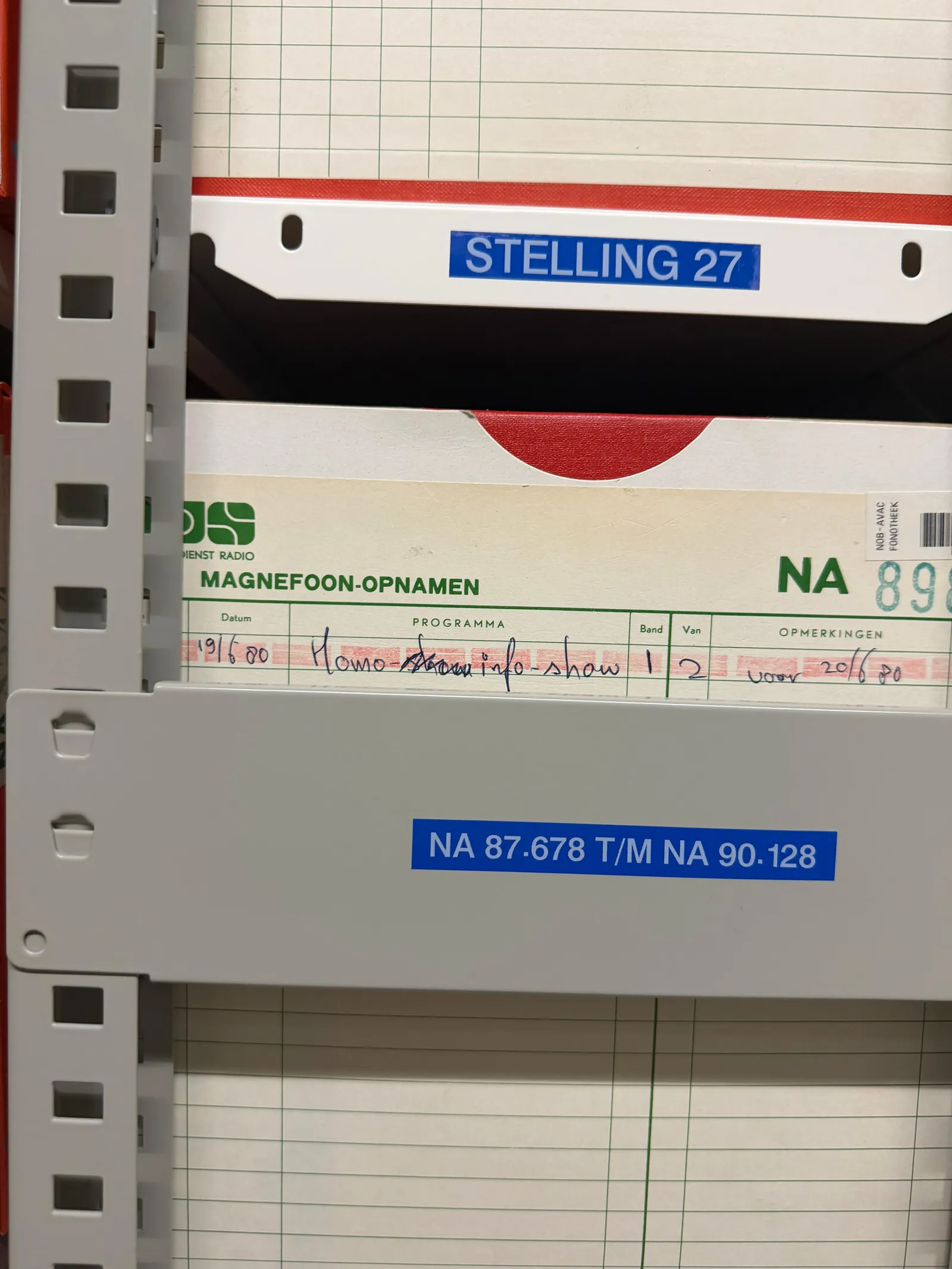
Regionaal Archief Nijmegen, Gelders Archief, Lesbisch Archief Nijmegen
Role
Research, design and build of the archive
Status
In progress, 2026
About the project
Synthetic Memories asks what happens to memory, personal and collective, when it passes through a digital archive.
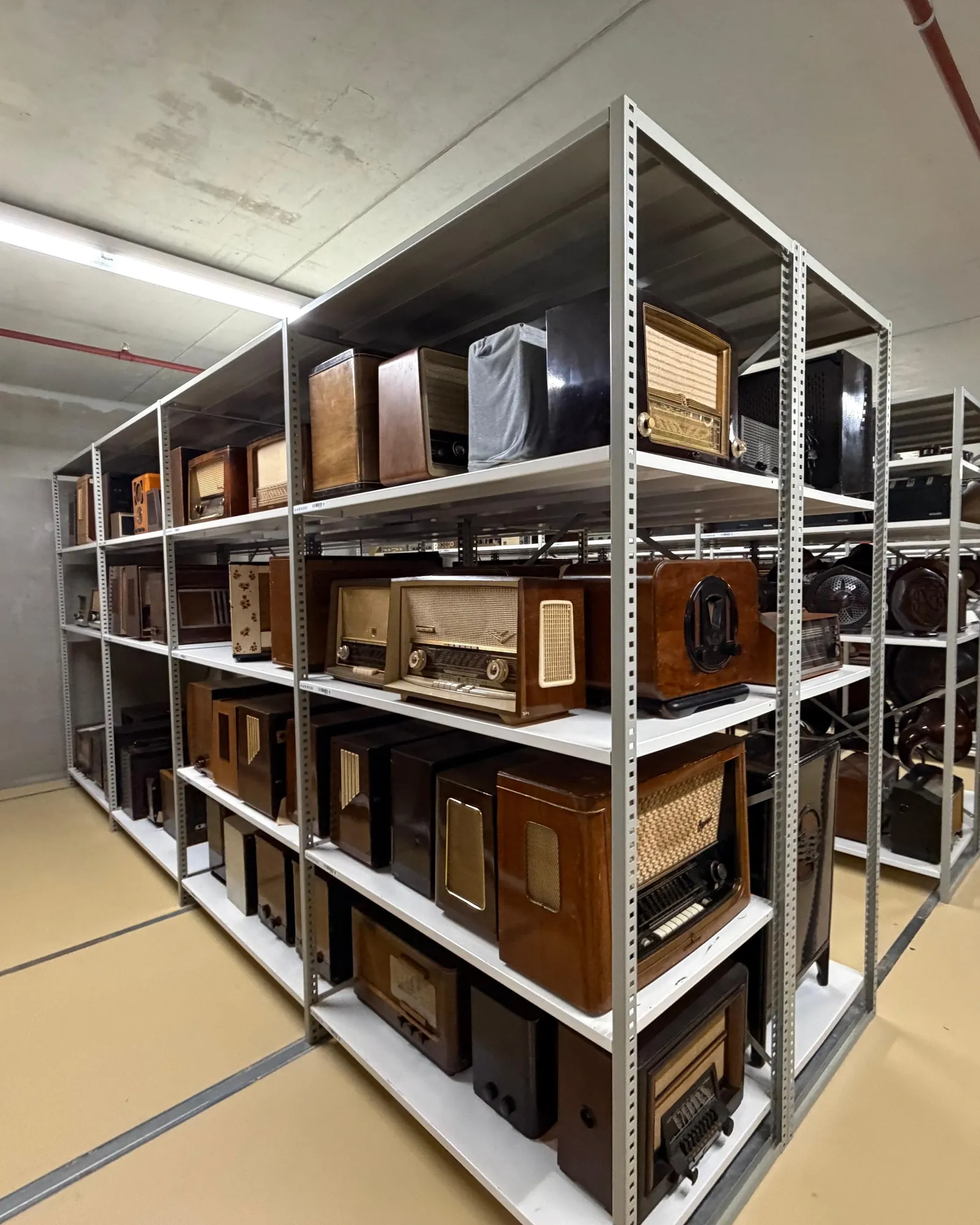
It is my research project for the MEE residency at Erfgoed Gelderland. Working with regional collections such as the Regionaal Archief Nijmegen and the Gelders Archief, I treat the gap between an archival document and what it is made to mean as the actual site of the work: the tussenruimte, the in-between space.
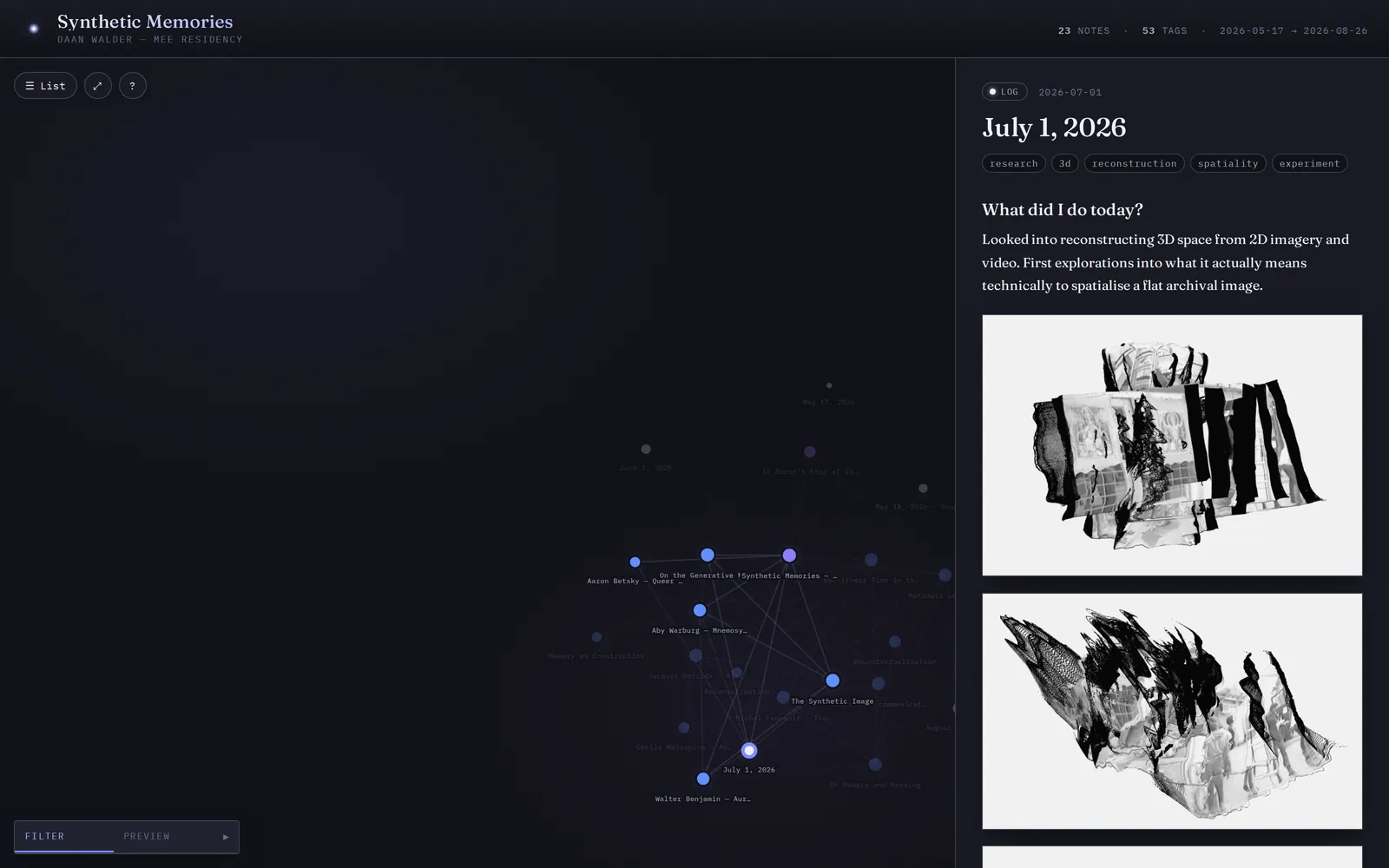
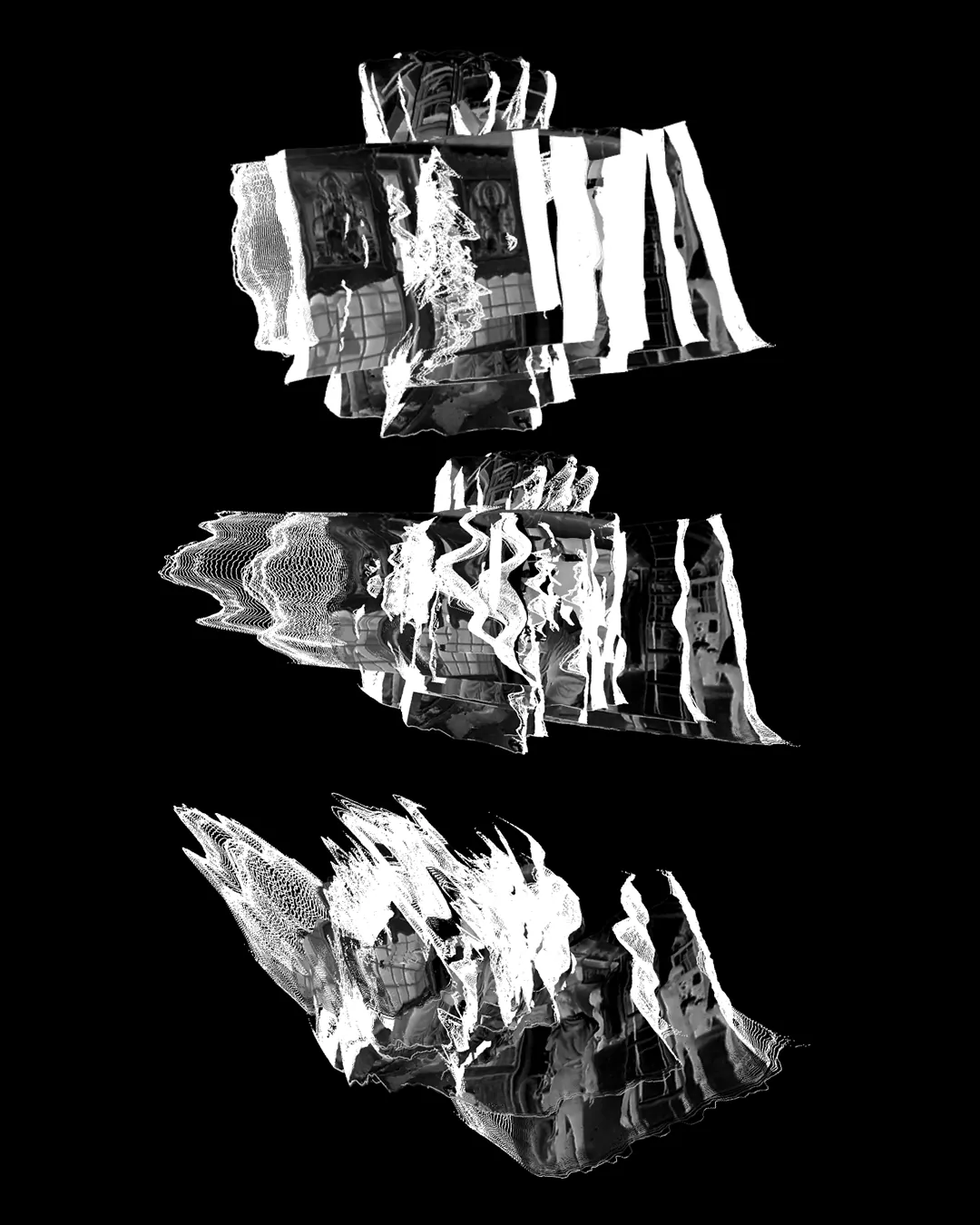
The research follows three tracks. Spatial reconstruction turns flat archival images into speculative 3D spaces, a hypothesis rather than a recovery. The synthetic image asks what a historical photograph becomes once an algorithm transforms it instead of reproducing it. The archive as infrastructure looks at how search, tags and description standards decide what can be found, and so what can be said. A fourth thread grew out of the conversations along the way: rituals, love and letters, the forms of intimacy that are most present in life and most absent from institutional archives.
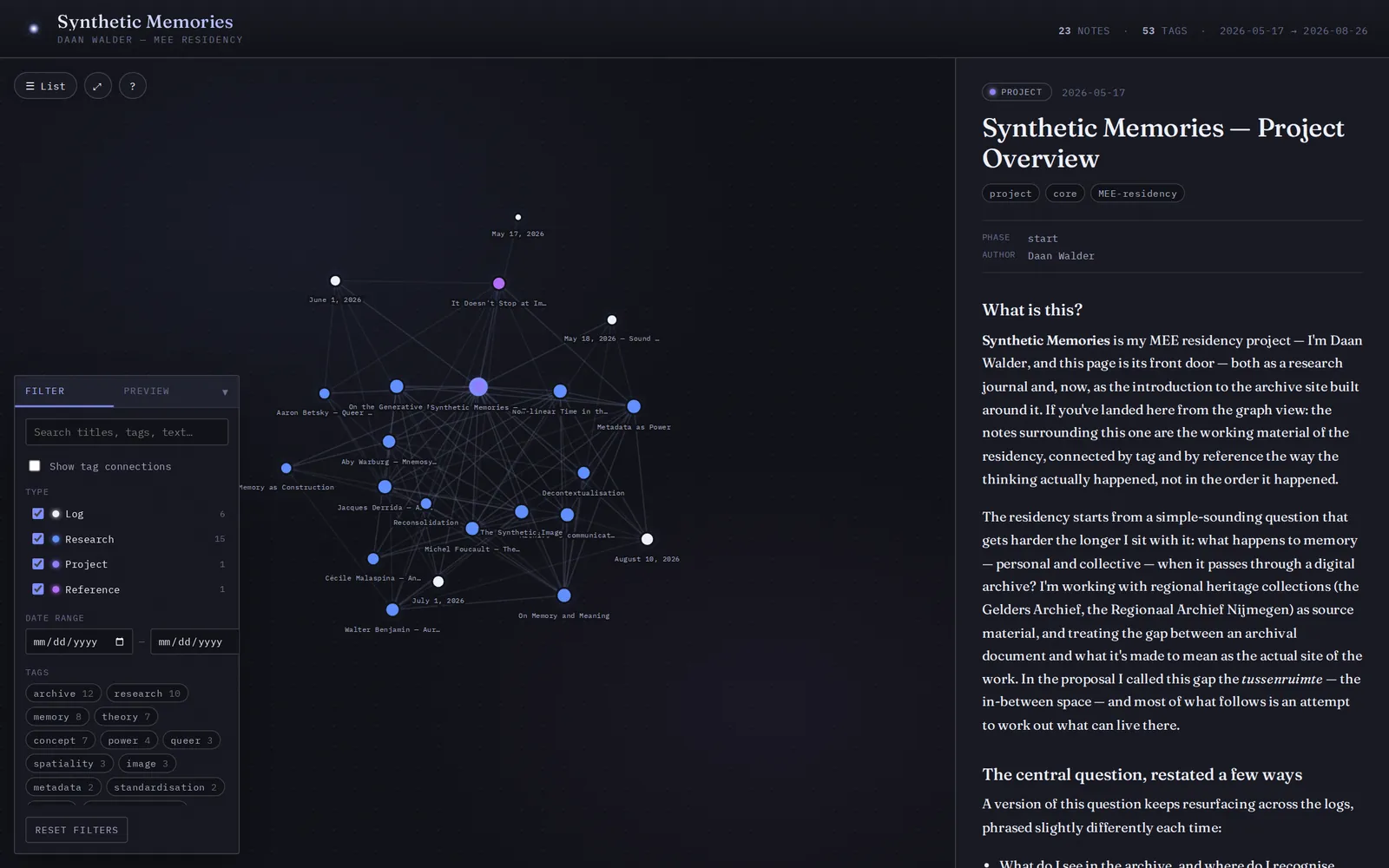
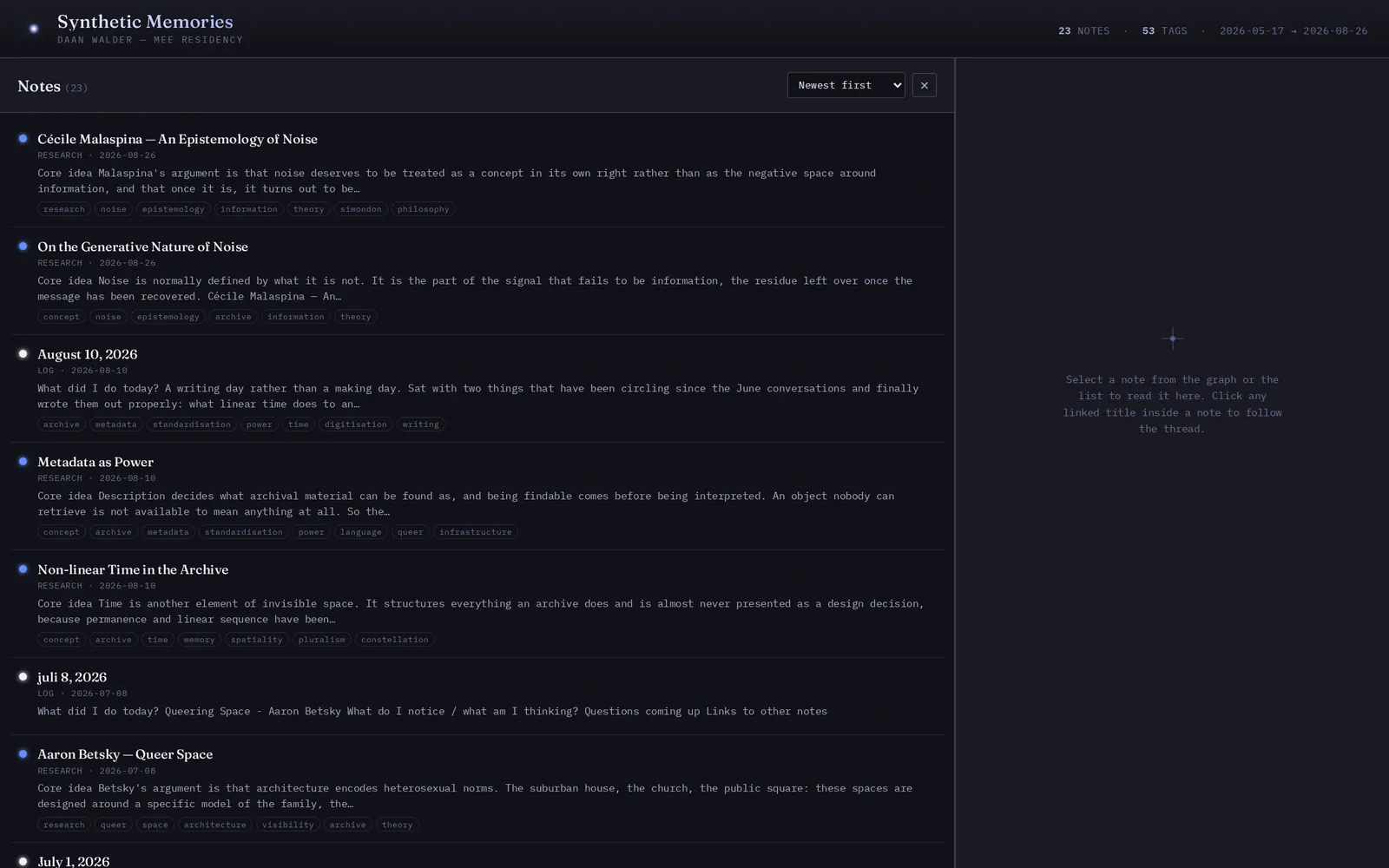
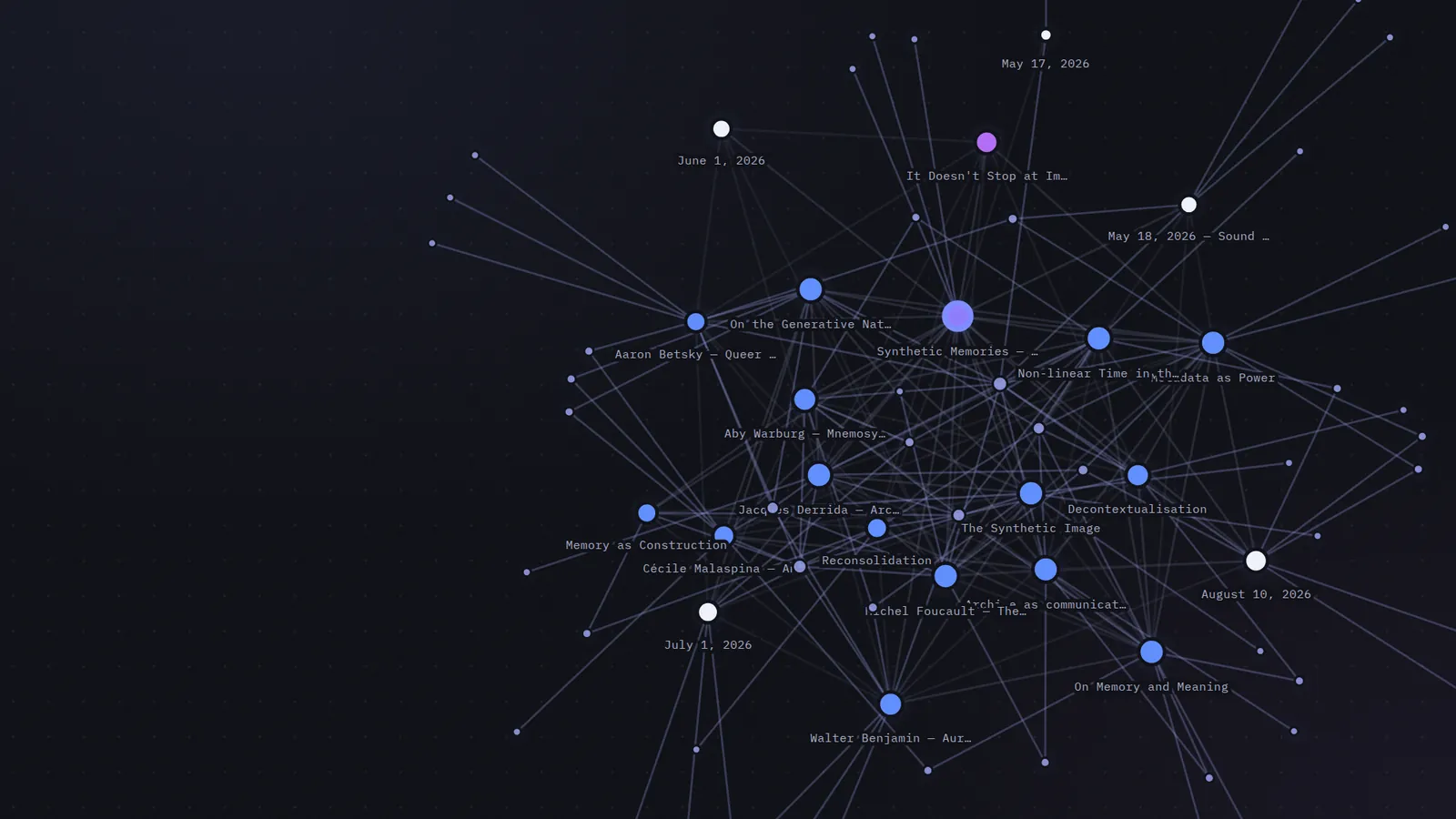
The research lives in an open online archive that I designed and built for the residency. Every log, reading and argument becomes a note, linked by reference and by tag the way the thinking actually happened rather than the order it happened in. You can explore it as a graph or read it as a list. References I have not written up yet appear as hollow nodes: visible gaps, for a project that is partly about what archives leave out. The interface is part of the research too, because its own search and graph shape what the archive makes visible.
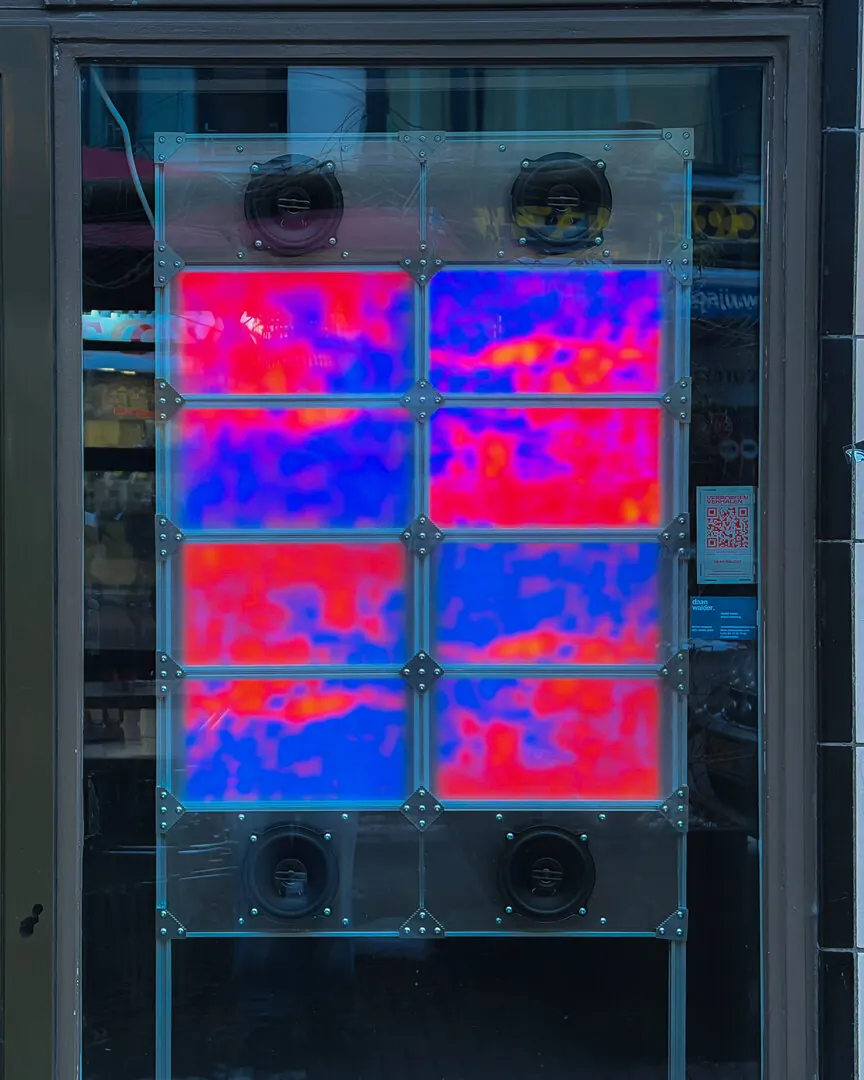
Alongside the writing run three experiments. Experiment 01 reconstructs space from archival video with 3D techniques. Screen Works is a series of eight generative pieces built on the open image bank of the Regionaal Archief Nijmegen and on material from the independent Lesbisch Archief Nijmegen, setting a queer vocabulary against the catalogue and community custody against institutional description. Shader Works turns measurements from the research into sixteen shaders that run in the browser and on a Raspberry Pi.
The thinking draws on Derrida, Foucault, Benjamin and Warburg, on reconsolidation theory and on Cécile Malaspina’s epistemology of noise. The residency runs through 2026, and the archive grows as it goes.